Practical workshop – handling and sampling of birds of prey organized within AVIATOR project

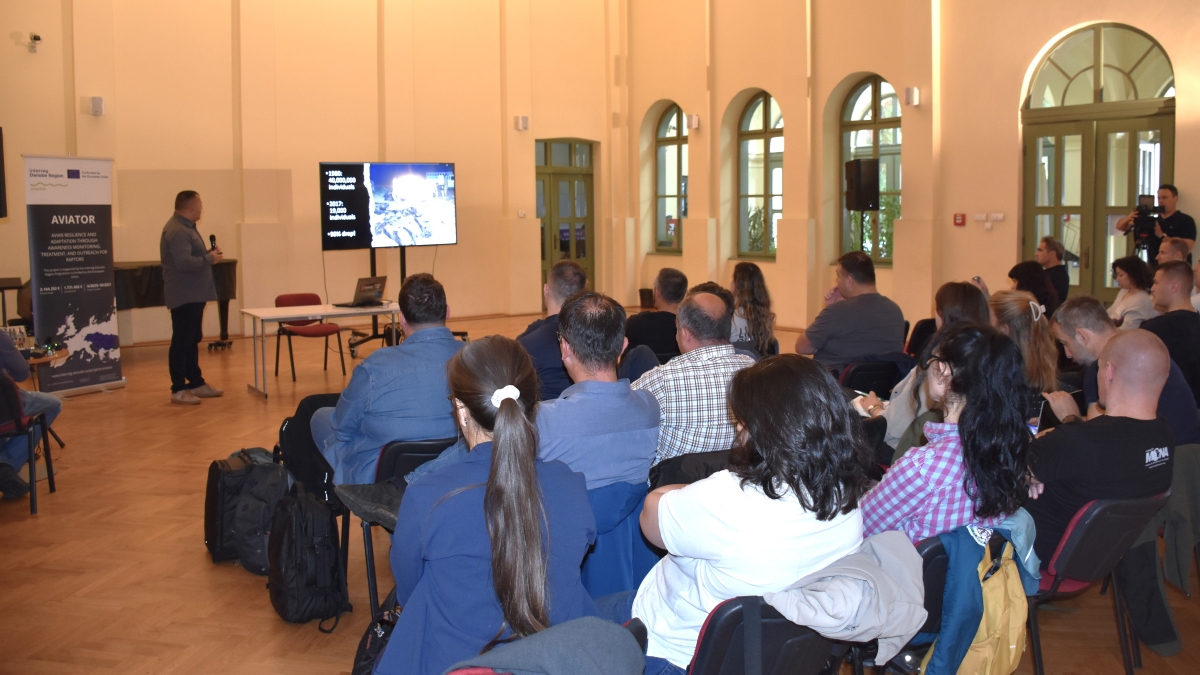
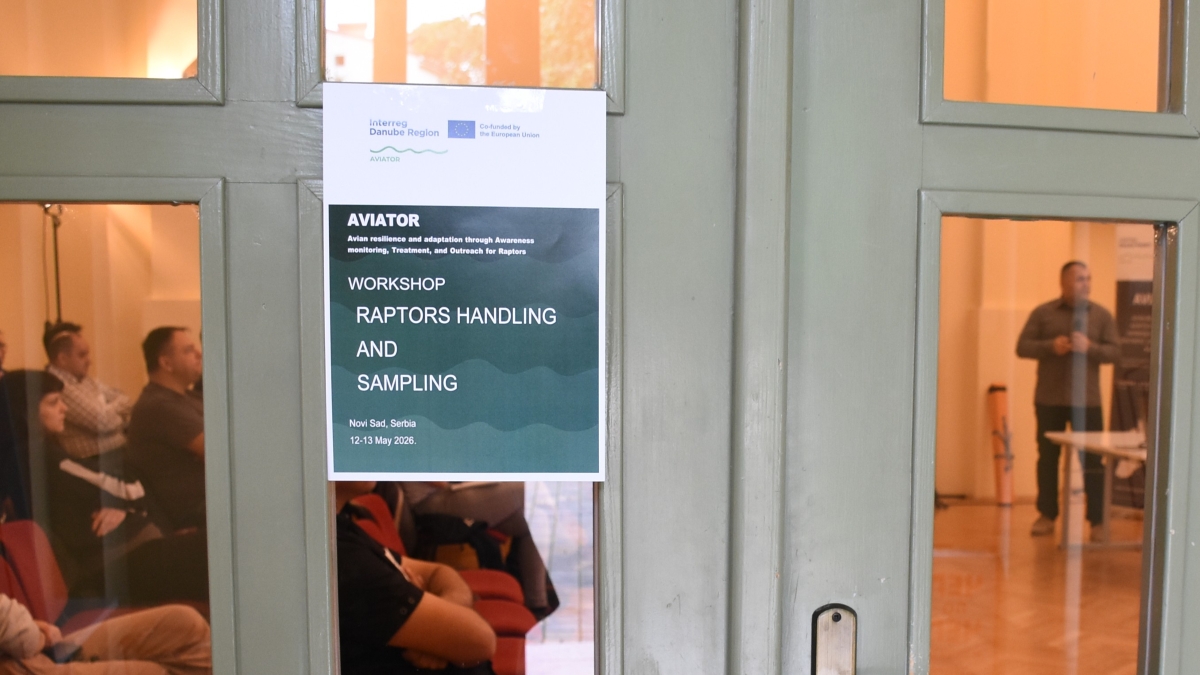
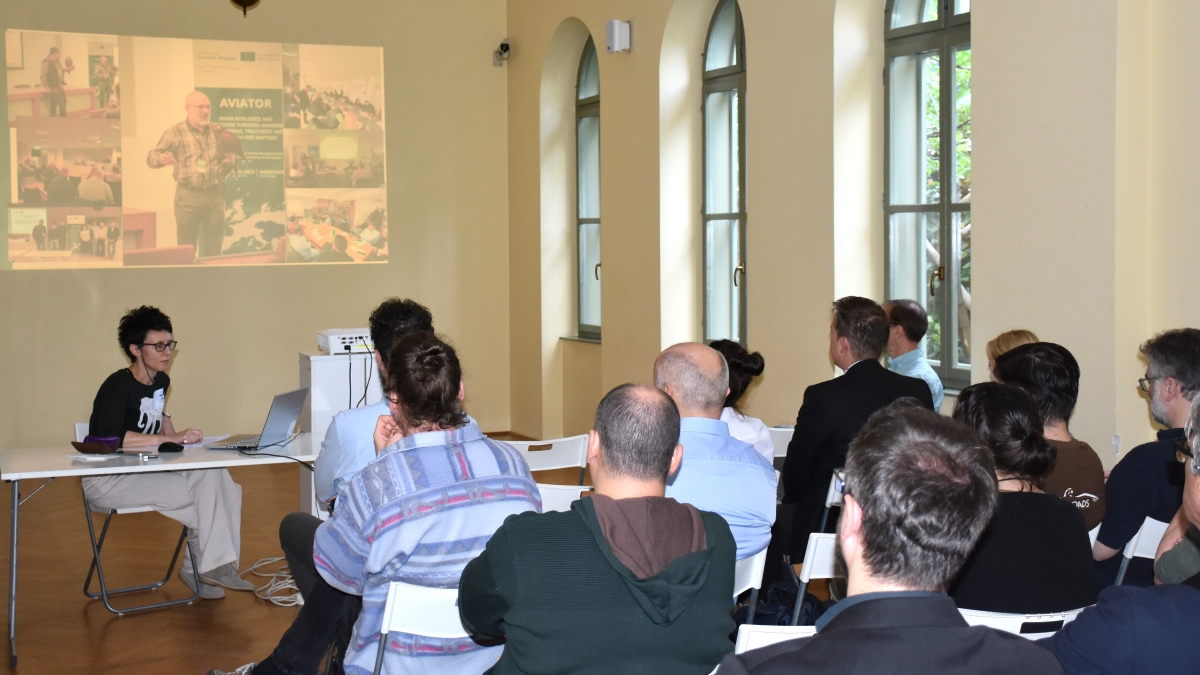
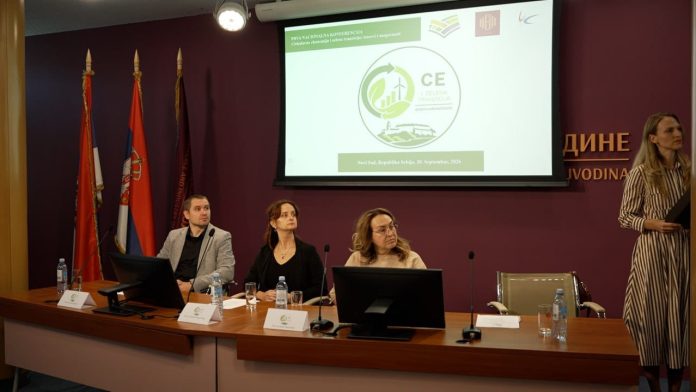
As a part of the „Avian resilience and adaptation through Awareness monitoring, Treatment, and Outreach for Raptors – AVIATOR” project, organized by the Lead partner, Institute of Veterinary Medicine of Serbia, a two-day workshop gathered partners, stakeholders and external participants.
On the first day, a project meeting presented progress to date as well as future activities to be implemented, financial progress and communication plan. Lectures were held in parallel for interested parties and external participants, who had the opportunity to hear information about the situation and position of wild birds in our country, what are all the infectious diseases that birds transmit, as well as the handling of birds of prey in controlled conditions.
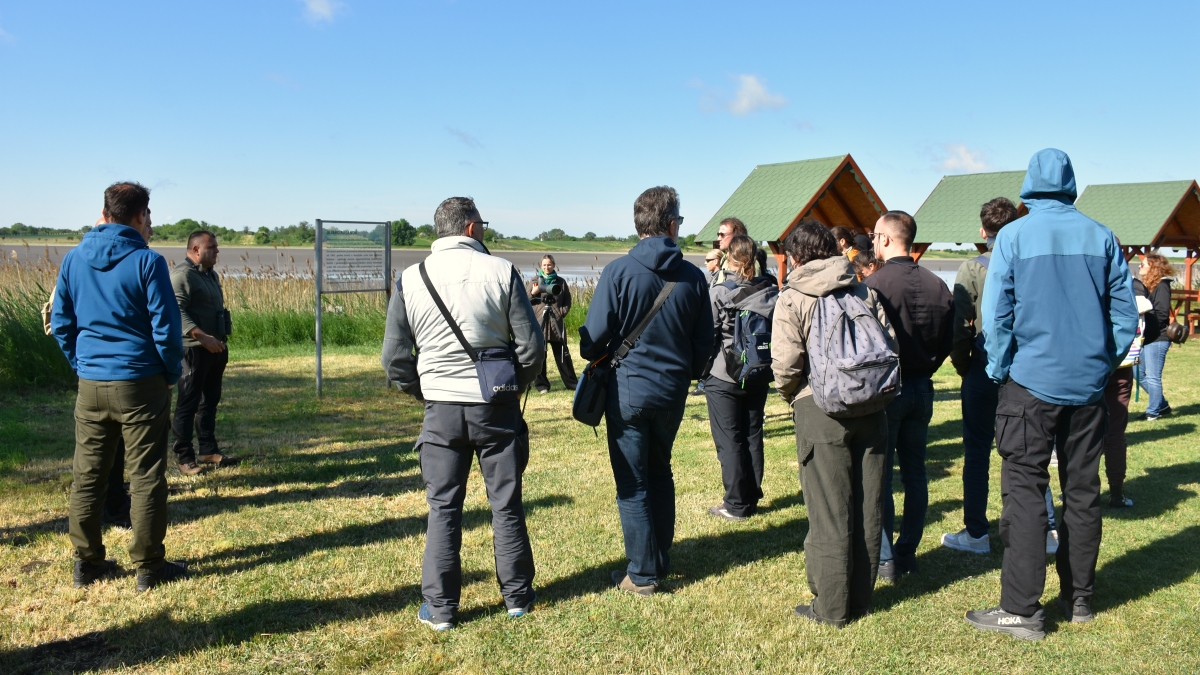
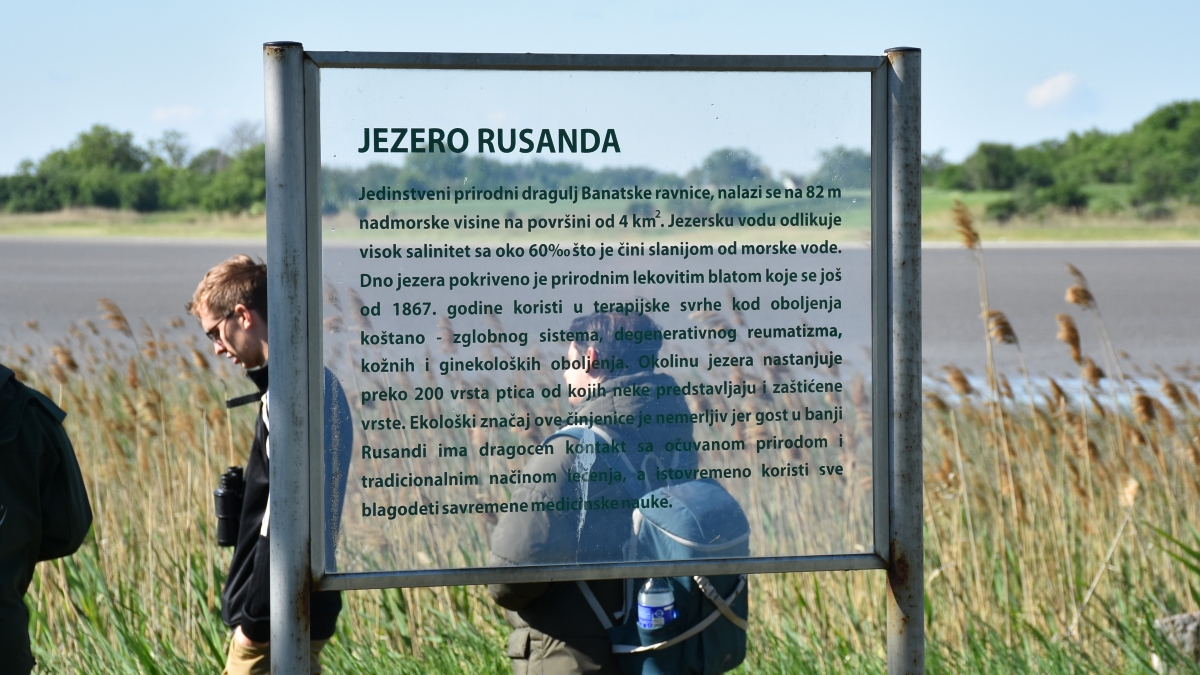
On the second day, a field visit was organized in the Rusanda Nature Park, which is a protected area of category II of regional importance and is located in central Banat. Over 220 species of birds have been recorded in this protected area so far, of which as many as 85 species use this area for nesting. Due to its specific geographical location and preserved habitats, the park has the status of an internationally important bird area.
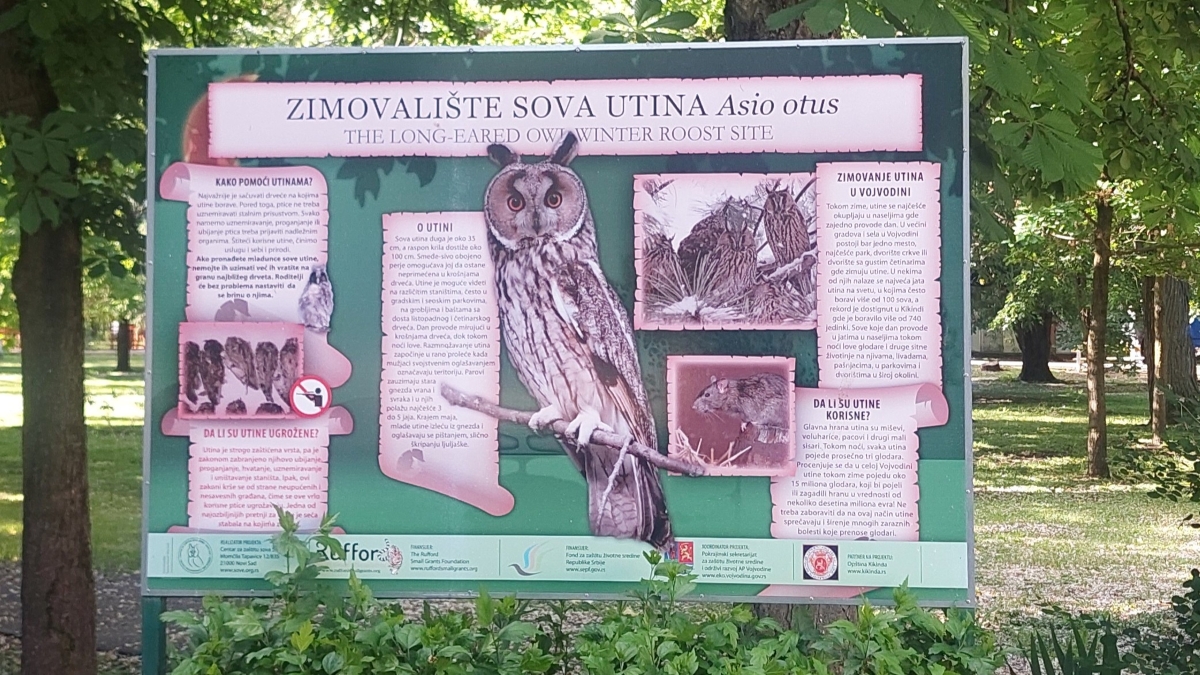
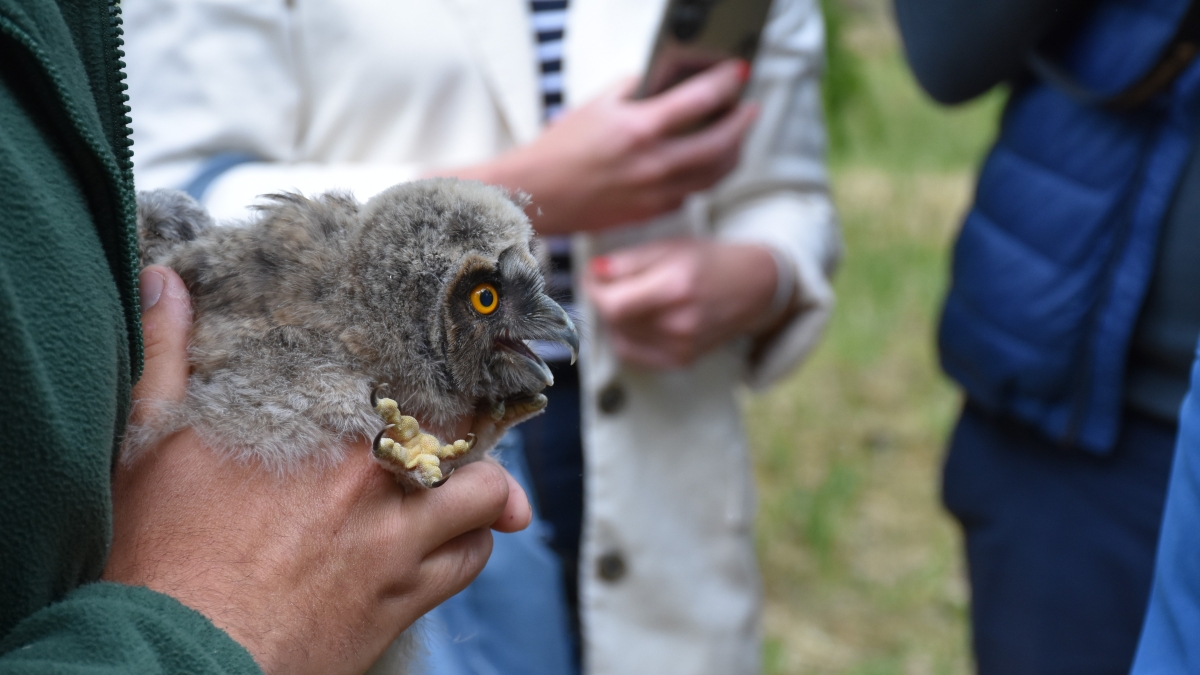
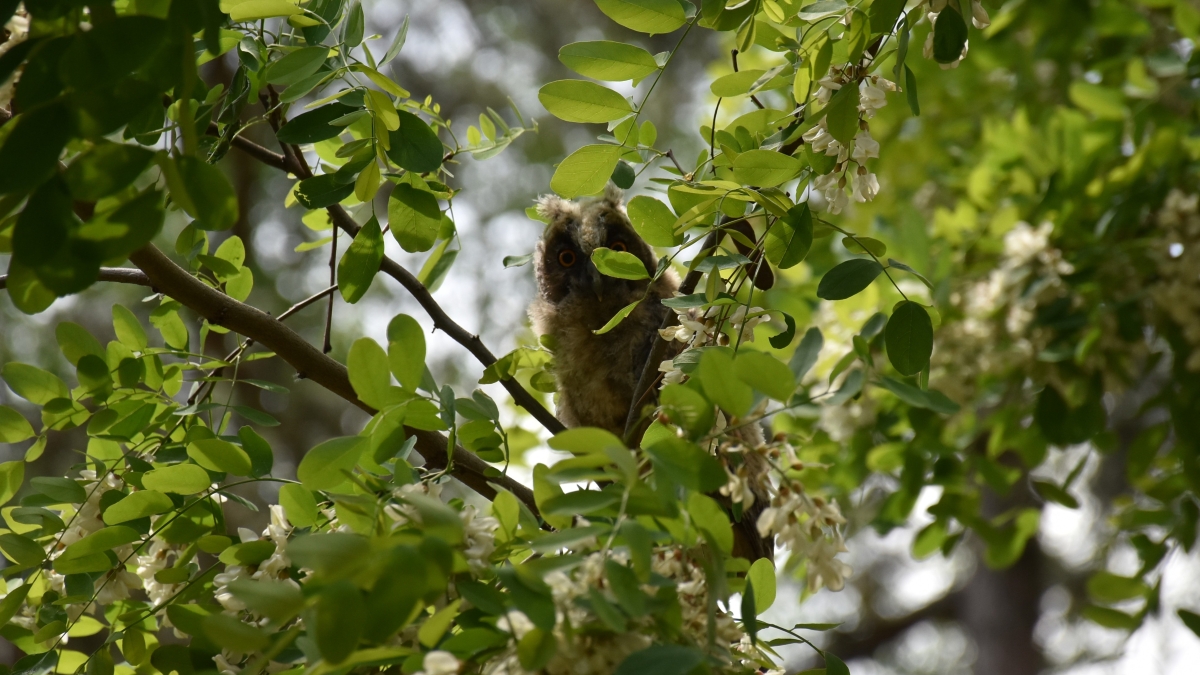
The Rusanda Nature Park is one of the densest nesting and wintering habitats for owls in Serbia. Pine, linden and acacia trees become a safe haven for large flocks of tawny owls (small eagle owls) during late autumn and winter. In addition to the tawny owls, the spa complex itself and its edges are constantly inhabited by the tawny owl and the barn owl. As nocturnal predators, these birds play a key role in the ecosystem because they naturally control the rodent population in the surrounding agricultural areas.
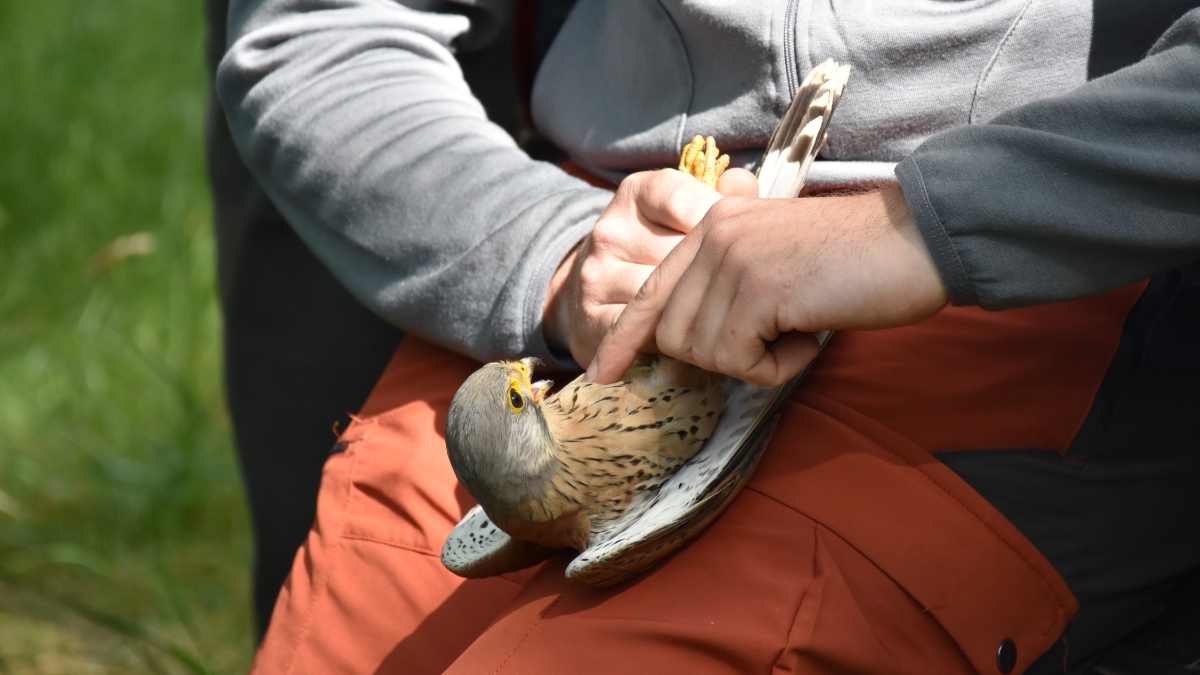
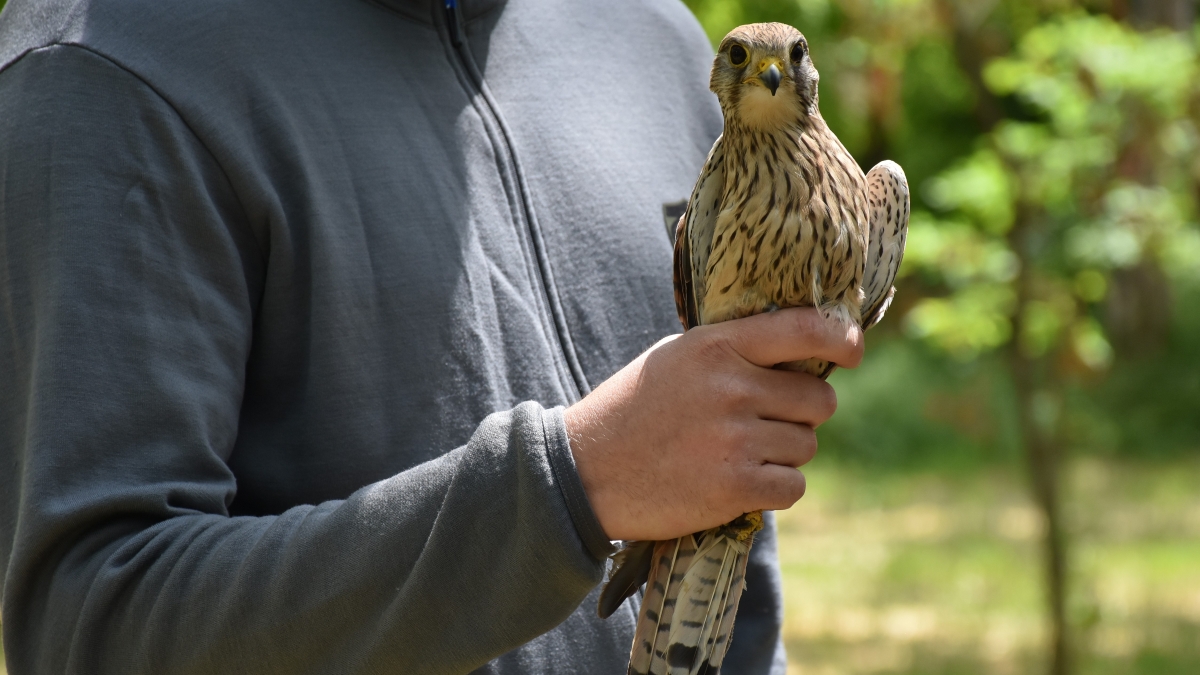
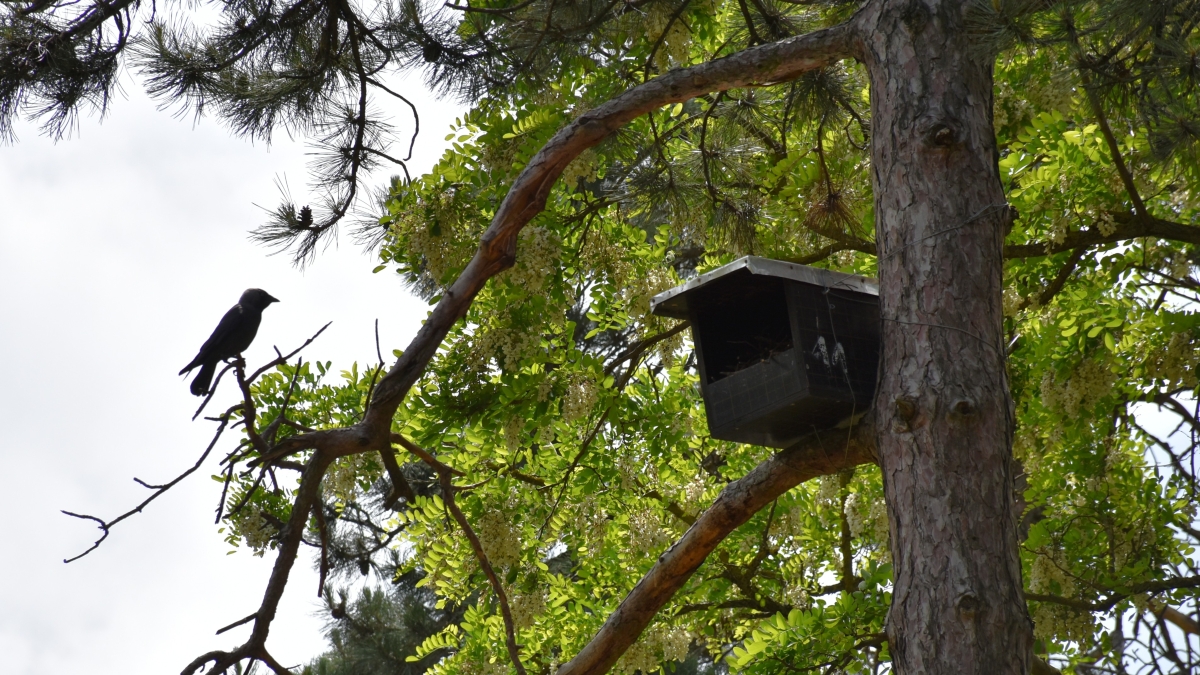
Two important species of the falcon family are permanent residents in the open pastures of Slatina around Lake Rusanda. The most important natural value is the critically endangered red-footed falcon (gray kestrel), which nests almost exclusively in Vojvodina. Since this species does not build their own nests, ecologists regularly place special wooden houses on trees for their conservation. They are kept company by the much more numerous common kestrel, widely recognized for its specific “hovering” in the air while hunting small mammals.
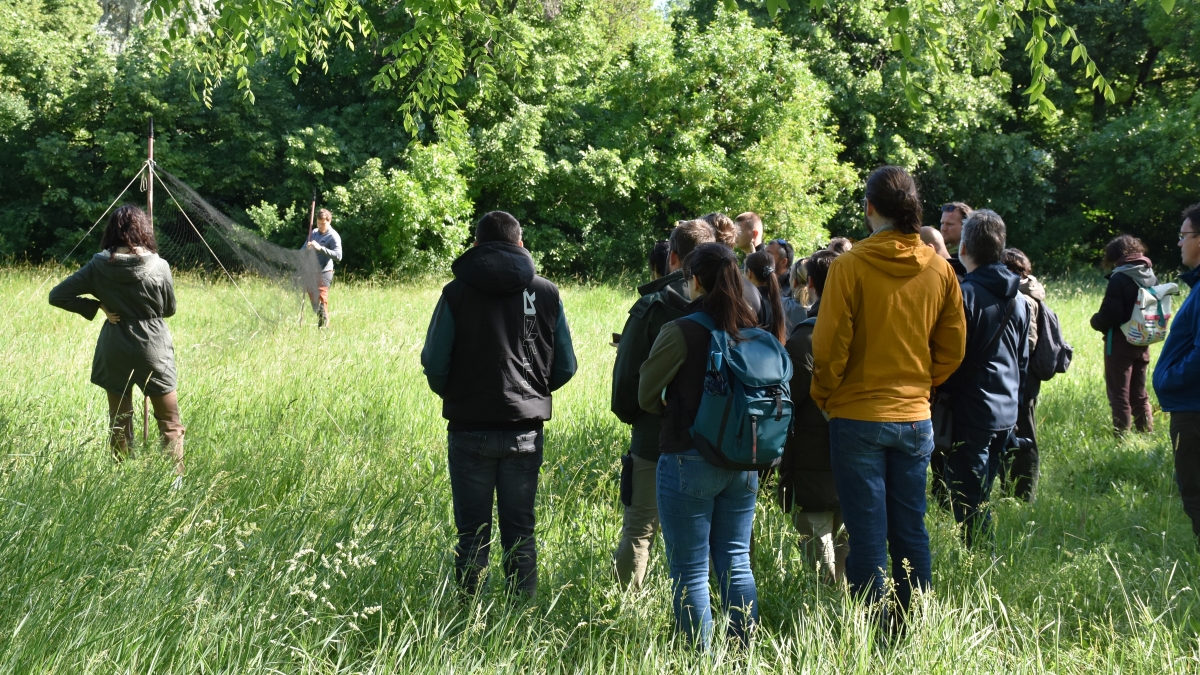
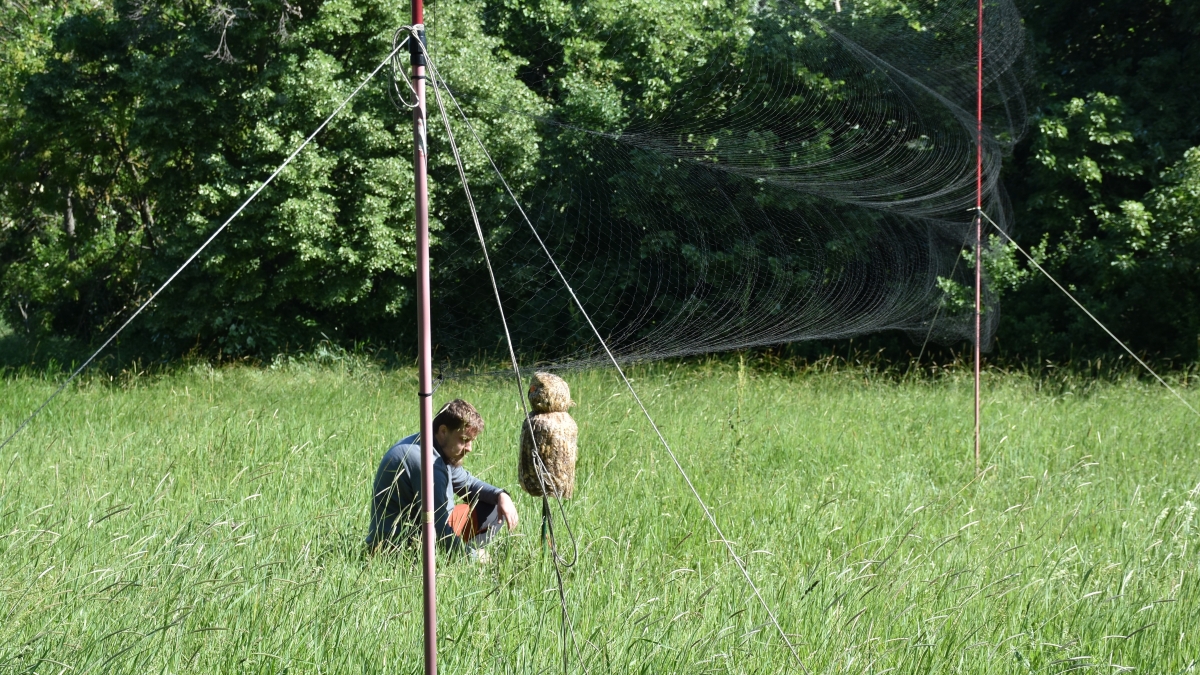
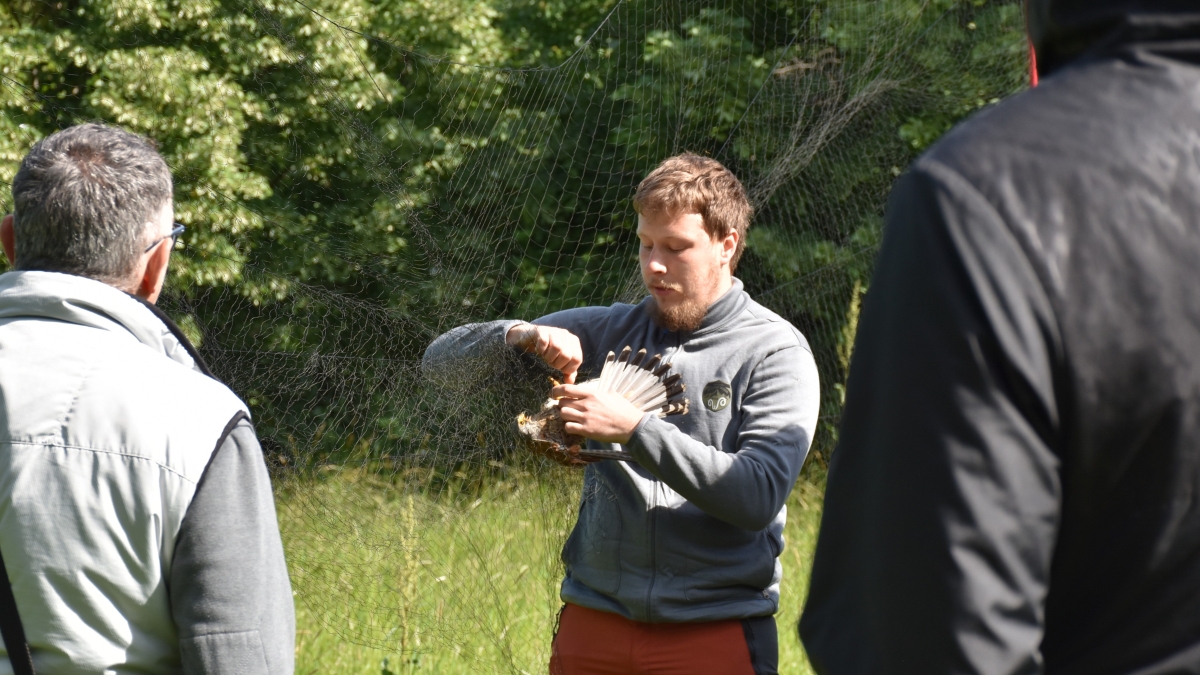
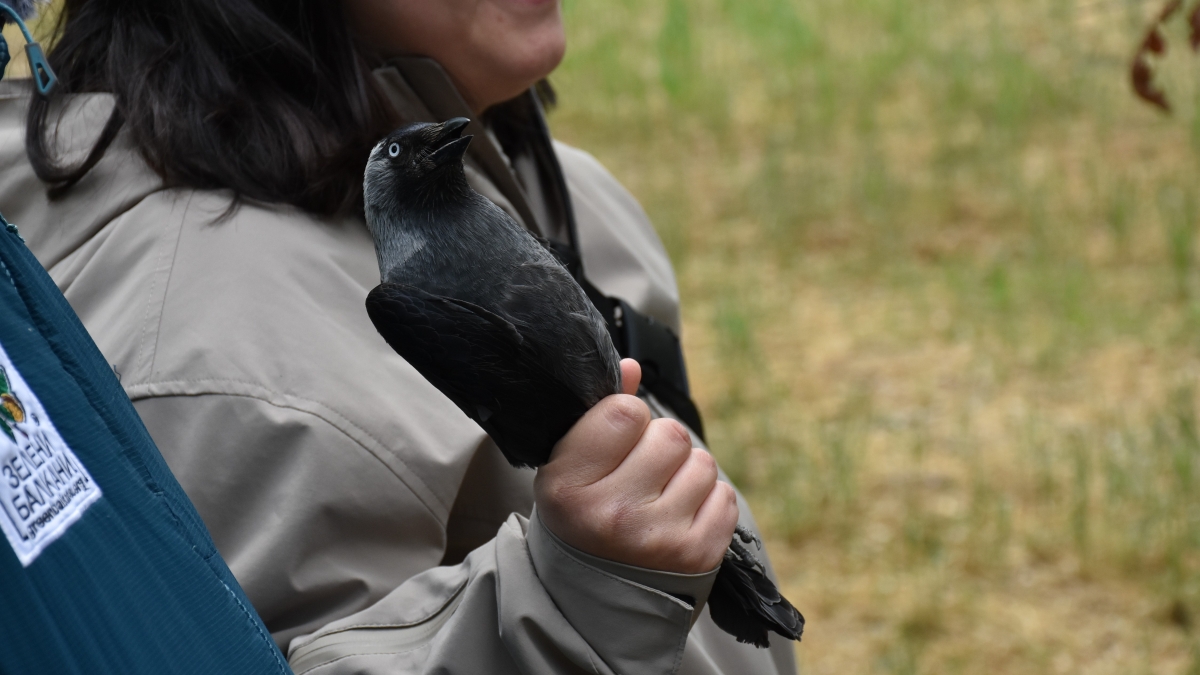
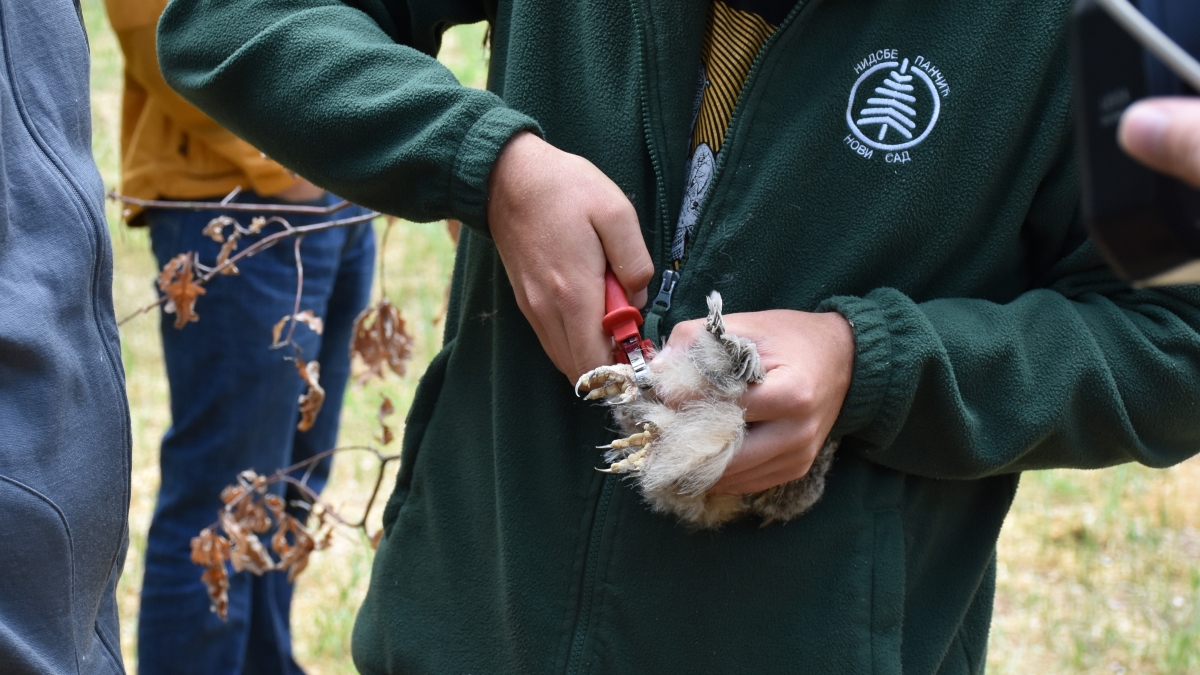
The participants had the opportunity to see the process of catching birds in nets, their ringing, examination, blood sampling and of course the release of the birds into the wild. The conservation of owls and falcons in the Rusanda Nature Park is not only a matter of protecting biology, but also of preserving the natural balance of the entire Banat. Every house placed and every tree saved is a step closer to the survival of these atypical and fascinating guardians of our fields. With joint efforts, we can preserve not only the Banat, but also other ecosystems in which birds of prey play a key role. Through the AVIATOR project, we have the opportunity to educate the general public about the importance of their protection and preserving the natural balance.