Preserving Tradition, Powering Growth: COMMHERITOUR Workshop Held in Novi Sad

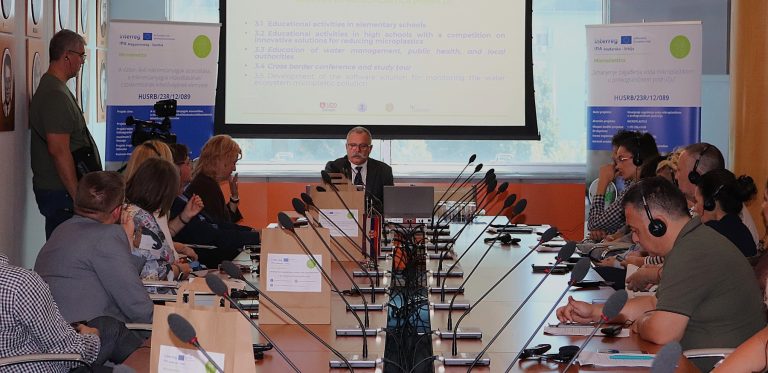
Novi Sad, October 10, 2025 – A workshop dedicated to preparing the Local Action Plan within the international project “Community-Based Models for the Sustainable Valorisation of Crafts in the Field of Cultural Heritage for Improving the Economic and Tourism Performance of Remote Areas in the Danube Region – COMMHERITOUR” was held today at the Science and Technology Park in Novi Sad. The event began at 10 a.m. in the Meeting Room 2 of the premises and brought together representatives of institutions, experts, and local stakeholders involved in the project.
During the first part of the workshop, participants were presented with key project findings, including an overview of the Status of the Local HCV Ecosystem in Vojvodina, Detailed Document Analysis, Heritage Valorisation Reports I and II, the Local Consumer Attitude Report, and The Local Digital Preparedness assessment.
The second part of the event focused on interactive group work aimed at mapping local priorities and defining action goals in various areas of heritage valorisation. Topics discussed included the integration of crafts into strategic frameworks, raising awareness among decision-makers and the local community, improving local, regional, and international visibility of crafts, enhancing digital readiness, strengthening partnerships, ensuring financial sustainability, and building human and organizational capacities.
The workshop was organized by members of the project team from the Fund for European Affairs and Development of the Autonomous Province of Vojvodina, which acts as one of the project partners.
The COMMHERITOUR project focuses on socio-economic development through cultural heritage, culture, and tourism, with the main goal of improving the promotion and sustainable use of cultural heritage in the Danube region, particularly in areas facing challenges related to sustainability and limited economic potential.
The total expenditure amounts to EUR 2,143,192.60, with EUR 1,714,554.08 provided through EU grant funding.